
Η UBICLEAN Hellas παρέχει υπηρεσίες καθαρισμού με laser στη Θεσσαλονίκη και την ευρύτερη Βόρεια Ελλάδα. Χρησιμοποιούμε σύγχρονα συστήματα παλμικού laser για βιομηχανικές και εμπορικές επιφάνειες — χωρίς λειαντικά μέσα, με ελεγχόμενη ενέργεια και ελάχιστα δευτερογενή απόβλητα.
Τι είναι ο καθαρισμός με λέιζερ
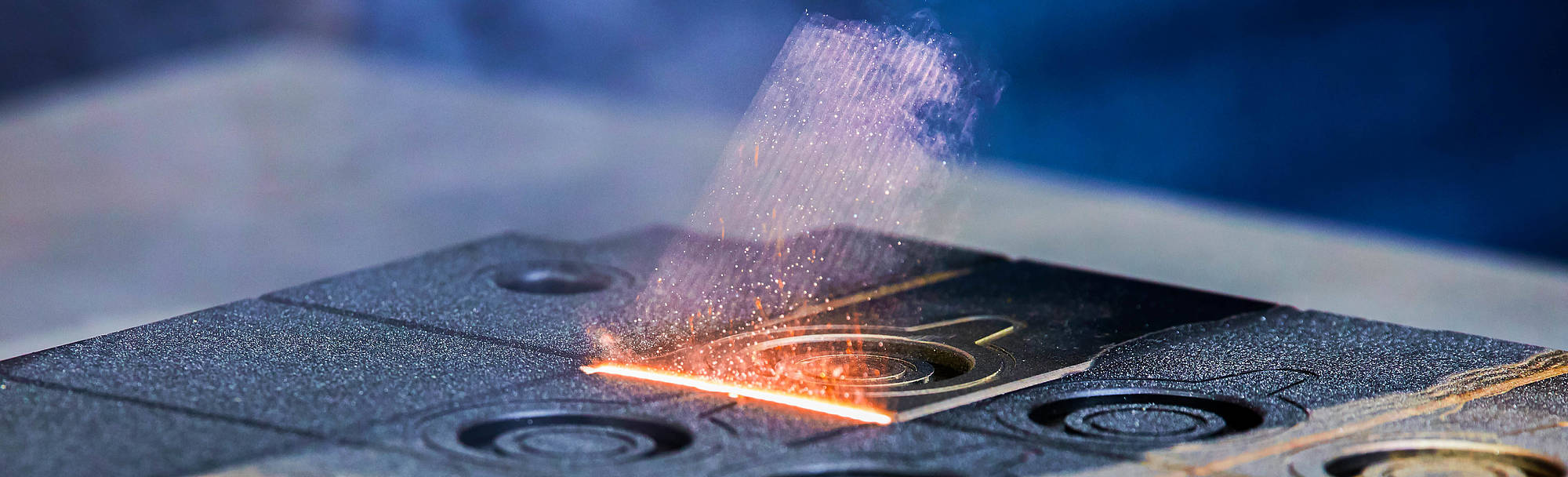
Ο καθαρισμός με λέιζερ αφαιρεί ανεπιθύμητα επιφανειακά στρώματα χρησιμοποιώντας σύντομους, ελεγχόμενους παλμούς λέιζερ. Αντί να βομβαρδίζετε την επιφάνεια με μέσα (όπως αμμοβολή), η ενέργεια ρυθμίζεται ώστε να σπάσει τον δεσμό του στρώματος ρύπανσης (σκουριά, οξείδια, μπογιά, άνθρακας, υπολείμματα λαδιού) και να το απομακρύνει—συχνά με σημαντικά λιγότερο δευτερογενή καθαρισμό.
Είναι ιδιαίτερα χρήσιμο όταν χρειάζεστε επιλεκτική αφαίρεση και σταθερά αποτελέσματα σε εξαρτήματα ή συναρμολογημένα μέρη.
Βασικά οφέλη
- Μη λειαντικό: χωρίς τρίμματα, χωρίς ενσωμάτωση μέσων και μειωμένος κίνδυνος στρογγυλοποίησης άκρων ή αλλοίωσης λεπτών λεπτομερειών.
- Ακριβές: οι παράμετροι μπορούν να ρυθμιστούν για να στοχεύσουν ένα συγκεκριμένο στρώμα και να σταματήσουν στο υπόστρωμα.
- Καθαρότερη διαδικασία: λιγότερα αναλώσιμα και λιγότερα δευτερογενή απόβλητα από πολλές παραδοσιακές μεθόδους.
- Αποδοτική προετοιμασία: ισχυρή επιλογή για προετοιμασία συγκόλλησης, προετοιμασία συγκόλλησης και εργασίες αποκατάστασης όπου ο έλεγχος έχει σημασία.
Τυπικές περιπτώσεις χρήσης
- Αφαίρεση σκουριάς και οξειδίων από εξαρτήματα χάλυβα
- Επιλεκτική αφαίρεση μπογιάς/επίστρωσης (συμπεριλαμβανομένων των σημείων επισκευής)
- Προετοιμασία συγκόλλησης και καθαρισμός μετά τη συγκόλληση
- Συντήρηση καλουπιών, μητρών και εργαλείων
- Αποκατάσταση επιφανειών όπου η λεπτομέρεια και οι ανοχές έχουν σημασία
 {loading=“lazy”}
Τυπική ροή εργασίας
- Αξιολόγηση: υπόστρωμα, τύπος ρύπανσης, στόχος φινιρίσματος, πρόσβαση και περιορισμοί.
- Δοκιμαστικό πέρασμα: επιβεβαίωση επιλεκτικότητας και αποτελέσματος επιφάνειας σε μικρή περιοχή.
- Καθαρισμός παραγωγής: ελεγχόμενες παράμετροι και στρατηγική επαναλαμβανόμενων περασμάτων.
- Επαλήθευση: οπτικός έλεγχος και (όταν χρειάζεται) τεκμηριωμένες ρυθμίσεις/αποτελέσματα.
Για λεπτομέρειες διαδικασίας και δυνατότητες, δείτε Τι κάνουμε.